Can an Employer Verify a Doctor's Note? What HR Can Check, Call, and See
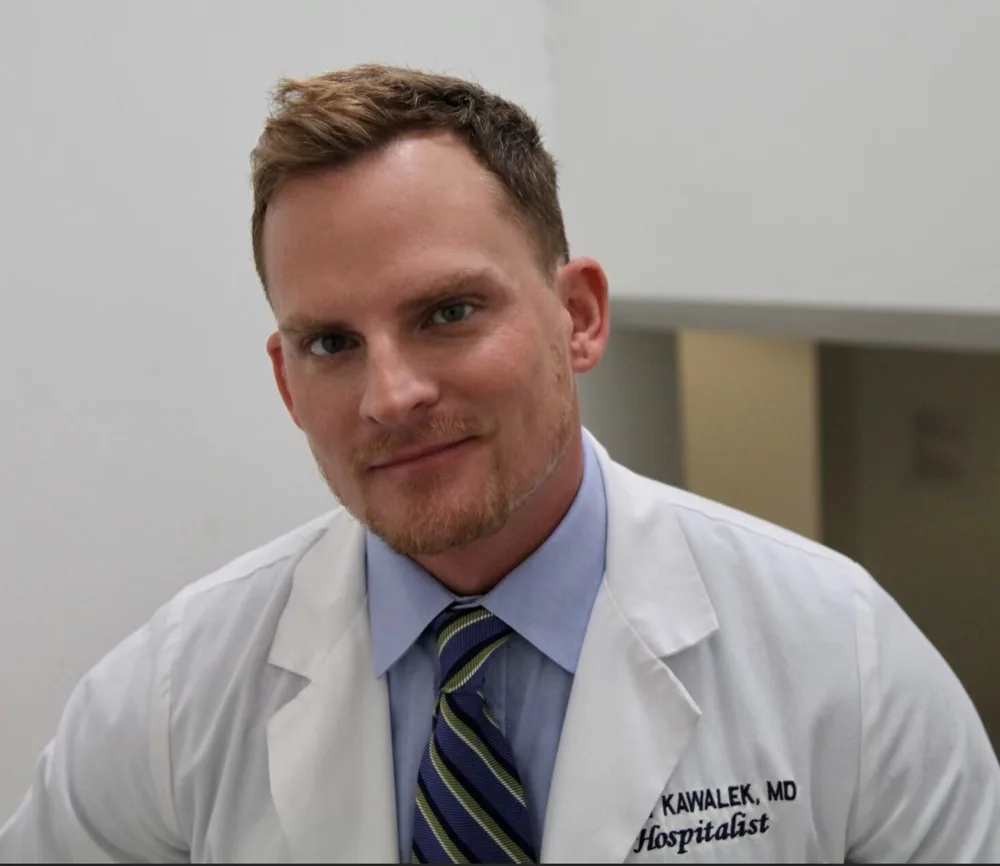
You paid for a doctor's note. Now you're sitting at home thinking: wait, can my boss actually check if this thing is real? Is my HR department going to call somewhere? What happens if they do? I'm Dr. Adam Z. Kawalek, and I want to walk you through exactly how doctor's note verification works in 2026 — from the employer's side.
If what you need is the note itself, get a doctor's note online from SickSlip; the rest of this guide covers the rules.
The short answer
Yes, your employer can verify a doctor's note. And with a legitimate physician-signed note, verification is actually a good thing for you — it confirms your note is real and forecloses any argument from HR about whether it's valid. What your employer cannot do during verification is access your diagnosis, your medical history, your symptoms, or any other protected health information. HIPAA keeps all of that private, even when they verify the note itself.
How employers typically verify a doctor's note
There are three common ways an employer or HR department will verify a doctor's note. Most companies use one or two of these; some use all three.
Method 1: Look up the physician's NPI
Every licensed physician in the U.S. has a National Provider Identifier — a 10-digit federal ID that uniquely identifies them in Medicare, Medicaid, and every insurance system. Your doctor's note should have the physician's NPI printed on it. Anyone can verify an NPI for free in under 30 seconds on the CMS NPI Registry. The registry will confirm the physician's name, credentials, specialty, and practice address. If the NPI on the note matches a real active physician, the note is real. If it doesn't, it's a forgery.
SickSlip notes include my NPI (1326223306). You can look me up right now, and so can your HR department.
Method 2: Check the state medical license
Every state maintains a public database of licensed physicians, searchable by name or license number. Your doctor's note should include the physician's state license number. HR departments that want to be extra thorough will check the state medical board's website to confirm the license is active and in good standing. This takes another 30 seconds per state and is totally public.
Method 3: Direct verification with the issuing service
Some employers go a step further and want to confirm directly with the physician's office that the note was issued. Traditionally this has meant phone calls, faxes, and waiting on hold. In 2026, it's a lot easier: most legitimate online doctor's note services include a verification URL or QR code on every note that instantly confirms authenticity.
Need a note right now?
Physician-reviewed. Employer-accepted. $29.99 flat fee. No waiting room.
Get my doctor's note →How SickSlip makes verification easy
I built SickSlip specifically so that employer verification would be the strongest part of the product, not the weakest. Every SickSlip note includes a unique QR code and a verification URL. When your employer scans the code or visits the URL, they see a branded verification page showing:
- The unique document ID of the note
- The issue date
- The specific absence period the note covers
- The return-to-work/school date
- The name and credentials of the certifying physician (me)
- The physician's NPI and state license
- A confirmation that the note is authentic and currently valid
What the verification page does not show:
- Your diagnosis
- Your specific symptoms
- Your medical history
- Any clinical details beyond the dates of your absence
That distinction is critical. HIPAA — specifically the HIPAA Privacy Rule (45 CFR Part 164) — protects your protected health information from being disclosed to your employer without your specific authorization. Your employer does not have a right to know what was wrong with you. They have a right to know that a licensed physician evaluated you and certified your absence.
What your employer can and can't ask about
There's sometimes confusion about what an employer is legally allowed to ask when reviewing a doctor's note. Here's the actual rule:
They can ask whether the absence is medically certified. That's the whole point of the note — to answer that question. Yes, a licensed physician certifies that you were medically unable to work on these specific dates.
They can ask when you're cleared to return. The note should have a return-to-work date on it. If it doesn't, that's a problem with how the note was written, not a problem with the verification process.
They cannot ask what your diagnosis was. HIPAA protects this. An employer demanding a specific diagnosis on a sick note is overstepping and may be violating federal law, particularly if you're covered by the ADA or FMLA.
They cannot demand your medical records. A doctor's note is not a medical record. It's a physician's attestation. Employers cannot use the verification of a note as a pretext to request your broader medical history.
If your HR department is asking for specific medical details beyond "was a licensed physician's note issued, yes or no," they're crossing a legal line. You can push back — politely — by saying: "My doctor's note certifies that I was medically unable to work on these dates. HIPAA protects the underlying diagnosis, and I'm not required to disclose it." If they keep pushing, consult an employment attorney.
Need a note right now?
Physician-reviewed. Employer-accepted. $29.99 flat fee. No waiting room.
Get my doctor's note →What to do if your HR wants "more information"
Every now and then an HR rep will say "we need more information before we can accept this note." Here's what's usually happening and how to handle it.
Scenario 1: They want to verify the physician
Totally reasonable. Point them to the QR code or verification URL on the note. Tell them: "You can scan the code or visit the link — you'll see the physician's NPI and state medical license, and you can cross-check them on the public CMS NPI Registry." Most HR reps didn't know this was possible and will back down once you make it easy.
Scenario 2: They want to know your diagnosis
Not reasonable. Respond: "My doctor's note certifies a medically necessary absence on these dates. The diagnosis itself is protected by HIPAA, and I'm not required to disclose it to my employer." Most of the time this ends the conversation. If it doesn't, and the employer is threatening disciplinary action or termination based on your refusal to disclose, you may have an ADA or FMLA claim and should consult an employment attorney.
Scenario 3: They claim the note isn't valid because it was "just online"
Respond: "This note was issued by Dr. Adam Z. Kawalek, a board-certified physician with NPI 1326223306, licensed in my state. Can you point me to the specific policy in our employee handbook that excludes telehealth physician documentation?" Most of the time there is no such policy, because it would be legally unsupportable. If your employer genuinely has a policy excluding telehealth notes, that's rare and you may want to escalate to a senior HR contact. For a deeper dive on this specific scenario, see my post on whether employers have to accept online doctor's notes.
What to do if your note still gets rejected
In 15 years of issuing physician notes, I've seen properly issued notes rejected almost never. But if it does happen with a SickSlip note, here's the path:
- Forward your rejection email (or a screenshot of the denial) to support@sickslip.co. Include your name and the date of the note.
- We'll review your case and, if the rejection is for any reason other than your own non-payment or inappropriate use, refund you in full.
- If you believe the rejection caused material harm — lost wages, termination, attendance points — we recommend consulting an employment attorney. Most offer free initial consultations, and a physician-signed note being rejected in a way that causes employment harm may be a legal claim under state sick leave laws, the ADA, or FMLA.
And if you're still choosing where to get your note in the first place, verification strength is exactly what separates the legitimate services from the rest — my buyer's guide to online doctor's note services compares the options on precisely that dimension.
Need a note right now?
Physician-reviewed. Employer-accepted. $29.99 flat fee. No waiting room.
Get my doctor's note →Can your job call your doctor to verify a note?
Yes. An employer can call the clinic or telehealth practice listed on the note and ask two things: is this note genuine, and was it issued for this person on these dates. What they cannot get from that call is your diagnosis, your symptoms, or anything else in your record. Under HIPAA, a practice may confirm that a document it issued is authentic and confirm the dates on it, and that is where the conversation ends unless you have signed a release.
In practice these calls are short. HR reads the physician's name and the dates off the note, the office confirms or denies, and it is over. If the call worries you, the answer is not to hope nobody checks. It is to make sure the note came from a real, licensed clinician who will pick up the phone. That is exactly why every SickSlip note prints a verification line and a QR code.
How to verify a doctor's note as an employer or HR manager
If you are on the HR side of this, here is the checklist I would use, in order. It takes about five minutes and never requires asking the employee anything medical.
- Read the note for the basics. Provider name, practice or service name, a signature, the date issued, and the specific dates excused. A real note has all five.
- Look up the license. Search the physician's name on the state medical board site or the CMS NPI Registry. The name, state, and license type should match what the note says.
- Use the verification channel printed on the note. A QR code or document ID is faster than a phone call and cannot be faked by editing a PDF. SickSlip notes verify at sickslip.co/verify.
- Call the practice if there is no digital verification. Ask only whether the note is genuine and whether the dates are correct. Do not ask for the diagnosis. The practice cannot share it, and asking creates a privacy and ADA problem for you, not for the employee.
- Apply your policy the same way to everyone. Uneven enforcement is the most common way a rejected note turns into a complaint.
Notes from urgent care, a primary care office, or a telehealth service all verify the same way. The format of the visit does not change what you are entitled to check.
Frequently asked questions
Can your job call your doctor to verify a note?
Can an employer verify a doctor's note without asking me first?
How do employers verify doctor's notes from telehealth or urgent care?
Can my employer verify a doctor's note is real?
Can my employer call SickSlip to verify my note?
Can my employer see my diagnosis when they verify the note?
What information does the SickSlip verification page show?
Can my employer demand that I disclose my diagnosis?
What happens if my employer rejects my SickSlip note?
What if my boss refuses to scan the QR code?
Is QR code verification really necessary?
And if you still need the note itself, SickSlip provides a verifiable online doctor's note, signed by a board-certified physician.
Need a note right now?
Physician-reviewed. Employer-accepted. $29.99 flat fee. No waiting room.
Get my doctor's note →Dr. Kawalek is a hospitalist physician with 15+ years of clinical experience. He founded SickSlip to give patients fast, affordable access to legitimate medical documentation without unnecessary clinical barriers.