Doctor's Note for McDonald's Employees: What It Actually Does (and Doesn't)
If you work at McDonald's and you wake up sick, two questions hit at once: how do I call in, and do I need a doctor's note? Here's the honest answer most websites skip—McDonald's isn't one employer with one rulebook. Roughly 95% of U.S. locations are independently owned franchises, and each one writes its own attendance policy. So before you assume a note will "erase" a warning, it's worth understanding what a doctor's note really does at McDonald's, what it doesn't, and what actually protects your job when you're genuinely unwell.

First, understand who your real employer is
When people say "McDonald's policy," they usually mean corporate policy. But the vast majority of restaurants are run by independent franchisees, and your handbook is technically that owner's handbook—not McDonald's Corporation's. One franchise group's crew policy I reviewed (Ball Management Group) spells this out in its own discipline rules; another (A&A Management/Goodwin Partners) states plainly that its handbook is an advisory guide that can be "changed, interpreted, modified, revoked... at any time" and that employment is at-will.
What this means in practice: your call-in window, whether a note is required, and how absences are penalized can differ from one McDonald's to the next. The only authority that always applies is the policy posted in your specific restaurant and signed by you. When in doubt, ask your General Manager to show you the written attendance policy you agreed to.
How absences and penalties usually work
Contrary to a lot of online chatter, many McDonald's franchises do not use a numeric "points" system. The franchise crew policy I examined uses progressive written warnings instead. For lateness or absence, it runs: first offense, written warning; second offense within 90 days, written warning; third offense within 90 days, "further disciplinary action up to and including termination."
Two rules catch people off guard. First, an absence is only treated as excused if you give enough notice (more on timing below) or find an approved replacement for your shift. Second—and this is the part worth reading twice—that same policy states "habitual tardiness/absenteeism (once per week) with or without excuse is grounds for termination." In other words, even excused, documented absences can add up against you if they're frequent. A no-call/no-show is far more serious: two consecutive no-call/no-show shifts are treated as voluntary resignation (job abandonment).
What a doctor's note actually does—and what it doesn't
Here's where I want to be precise, because this is widely misstated. At the franchise I reviewed, the rule reads: "If you are absent, you may be required to bring in a note from your doctor verifying the illness and a doctor's release to return to work." So a note has two legitimate jobs: it verifies your illness was real (which can keep an absence in the "excused" column rather than "unexcused"), and it can serve as the fitness-for-duty release some managers require before you go back on the floor.
What I did not find in any primary McDonald's franchise policy is language saying a doctor's note removes a warning or wipes out a penalty you've already received. Don't assume it does. A note can support that an absence was excused; it doesn't reset a progressive-discipline counter, and—as noted above—even excused absences can still count toward termination if they're habitual. If a manager tells you a note will undo a write-up, get that in writing, because the standard franchise policy doesn't promise it.
Need a note right now?
Physician-reviewed. Employer-accepted. $29.99 flat fee. No waiting room.
Get my doctor's note →What actually protects your job: PTO and protected leave
If a note doesn't shield you, what does? Two things. First, paid sick leave. Company-owned restaurants and many franchises in states or cities with sick-leave laws provide paid sick hours you can use so the absence is both excused and compensated—using earned sick time is generally the cleanest way to keep an absence from being held against you. Availability and accrual vary widely by state and by owner, so check your pay stub or HR portal for your balance.
Second, and most importantly for anything beyond a quick bug: protected leave. Under the federal Family and Medical Leave Act (FMLA), eligible employees get up to 12 weeks of unpaid, job-protected leave for a serious health condition. To qualify you generally need to have worked for the employer 12 months, logged at least 1,250 hours, and work at a site with 50+ employees within 75 miles—a threshold not every small franchise meets. The medical certification your doctor completes for FMLA is the documentation that triggers those protections. For an ongoing or serious condition, FMLA (or the ADA, or your state's leave law)—not a one-day sick note—is what keeps your job safe.
How to report an absence the right way
Timing is everything, because it's usually what separates "excused" from "unexcused." At the franchise policy I reviewed, you must call the shift manager at least two hours before your shift (or the night before by 10 p.m. if you're an opener scheduled before 6 a.m.). Notify less than two hours out, and the absence is logged as unexcused even if you're genuinely sick. Text messages and telling a coworker generally don't count—speak to a manager.
Practical steps: (1) Call as early as you can, ideally the moment you know you can't make it. (2) Speak directly to a manager and confirm they've logged it. (3) Ask whether a doctor's note or return-to-work release will be required, and for how many days out you'd need one. (4) If you have paid sick time, ask to apply it. (5) If this could stretch past a few days, ask your GM how to start a formal leave of absence—larger franchises route longer or medical leaves through HR or a third-party leave administrator, and that's the path that gets you FMLA protection rather than a stack of write-ups.
If you need real documentation
If you genuinely saw a clinician—or need a legitimate evaluation for an illness keeping you off a shift—getting proper documentation shouldn't be a hassle. A telehealth service like SickSlip connects you with a board-certified physician through a roughly two-minute form, with same-day notes for a flat $29.99. A note is only meaningful when it reflects a real clinical assessment, so it's only worth getting when you're actually unwell and a clinician agrees documentation is appropriate.
One honest caveat from a physician: a note documents that you were evaluated and unfit to work on a given day—it is not a guarantee your manager will treat the absence as excused, and it won't override the habitual-absence or no-call/no-show rules above. Use it as supporting documentation, lean on sick leave or FMLA for the protection, and always follow your own restaurant's posted call-in procedure.
Need a note right now?
Physician-reviewed. Employer-accepted. $29.99 flat fee. No waiting room.
Get my doctor's note →Frequently asked questions
Does McDonald's require a doctor's note when you call in sick?
Will a doctor's note remove a warning or attendance penalty at McDonald's?
How far in advance do I have to call in at McDonald's?
What happens if I no-call/no-show at McDonald's?
Does McDonald's offer paid sick leave?
What if I need to be out for more than a few days?
Need a note right now?
Physician-reviewed. Employer-accepted. $29.99 flat fee. No waiting room.
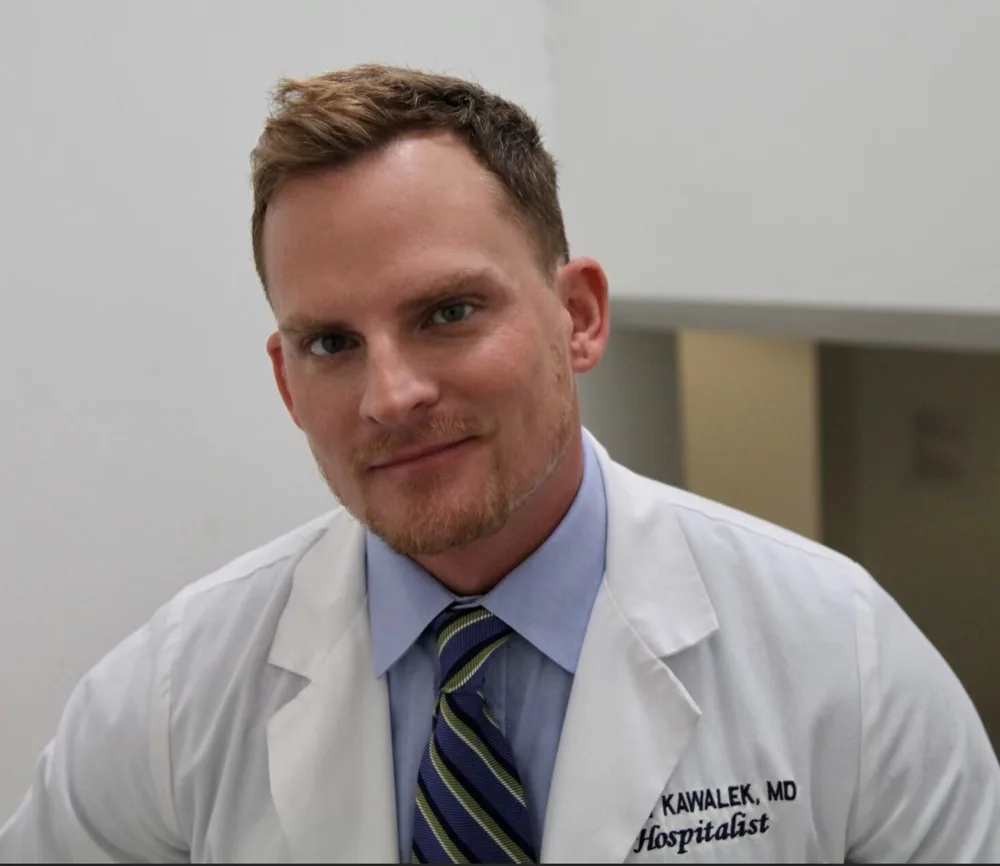
Get my doctor's note →Dr. Kawalek is a hospitalist physician with 15+ years of clinical experience. He founded SickSlip to give patients fast, affordable access to legitimate medical documentation without unnecessary clinical barriers.