School Sick Note Policies: Reasonable Safeguard or Outdated Gatekeeping?
Your kid wakes up at 6 AM with a fever. You keep them home. They sleep it off, feel better by Thursday, and go back to school Friday. Then you get the email: "Please provide a doctor's note for the absence or it will be marked unexcused."
And now you're annoyed. Because your child had a cold. You're a functioning adult who made a reasonable medical decision. And now a school administrator is asking you to retroactively prove that decision was valid — by producing documentation from a licensed physician. When the policy does require documentation, a parent can get a doctor's note for school online the same day, reviewed and signed by a board-certified physician.
So let's talk about it. As a physician, I understand the intent behind these policies. As a parent, I think a few of them have gone off the rails.

Why schools require sick notes in the first place
There are two legitimate reasons. First: truancy prevention. Schools receive funding based on attendance, and they have a legal obligation to ensure kids are actually in school. A sick note policy gives them a paper trail that distinguishes "legitimately ill" from "skipping." Fair enough.
Second: communicable disease tracking. If a school is seeing a cluster of strep or flu cases, documentation from physicians helps them identify patterns and respond appropriately. This is a genuine public health function.
Both of these are reasonable goals. The problem is how the policies are implemented.
Need a note right now?
Physician-reviewed. Employer-accepted. $29.99 flat fee. No waiting room.
Get my doctor's note →Where it goes off the rails
Most school districts require a doctor's note after two or three consecutive absences. Some require one after a single day. I've seen policies that require a note for every absence, period — even if the parent called the school that morning to report a stomach bug.
Think about what that actually requires of a family. Your child has a 24-hour stomach virus. Instead of letting them rest, you now have to: get a same-day appointment (good luck), drive a sick child to a clinic, sit in a waiting room full of actually sick people, pay a copay or — if uninsured — a $150-$250 visit fee, and then drive home. All so someone at the front office can file a piece of paper.
The child didn't need medical care. They needed Gatorade and sleep. But the policy doesn't distinguish between "needs a doctor" and "needs documentation that a doctor exists."
The families this hurts most
This is the part that actually bothers me clinically. These policies disproportionately burden low-income families, single-parent households, and families without reliable transportation or insurance. A salaried parent with a flexible schedule and a pediatrician on speed dial can navigate this easily. A single mom working hourly who can't take time off to sit in an urgent care with a kid who has the sniffles? She's being punished.
And the consequence isn't just inconvenience — it's that her child's absences get marked unexcused, which can trigger truancy interventions, which can escalate to involvement with child protective services in extreme cases. All because a kid had a cold and mom couldn't produce a doctor's note.
That's not a safeguard. That's a system designed for one kind of family pretending to be universal.
Need a note right now?
Physician-reviewed. Employer-accepted. $29.99 flat fee. No waiting room.
Get my doctor's note →What would actually make sense
If I were designing school attendance policy from scratch, I'd do three things. One: trust parents for short absences. A parent's word should be sufficient for one to three days. If your kid is home with a fever and you called the school, that should be enough. No note required.
Two: require documentation only for extended absences — five or more consecutive days, or a pattern of chronic absences that suggests something else is going on. That's when physician involvement actually adds value.
Three: accept telehealth documentation. If a note is required, don't force families to physically visit a clinic. A licensed physician reviewing a parent's description of symptoms and issuing documentation remotely is clinically identical to what happens in 90% of in-person sick visits for kids. The child sits there. The parent describes the symptoms. The doctor writes the note. The physical presence of the child added nothing.
What you can do right now
If your child's school requires a doctor's note and you're stuck — you have options. Telehealth sick note services exist precisely for this situation. You don't need to drag a recovering kid back out into the world. You can complete a quick intake form, have a licensed physician review it, and receive a signed note in your inbox.
The note is real. The physician is real. The signature, NPI number, and state license are all verifiable. Schools accept them because they have to — there is no legal distinction between a telehealth note and an in-person one.
Your kid is sick. Let them rest. The paperwork shouldn't be harder than the illness.
Need a note right now?
Physician-reviewed. Employer-accepted. $29.99 flat fee. No waiting room.
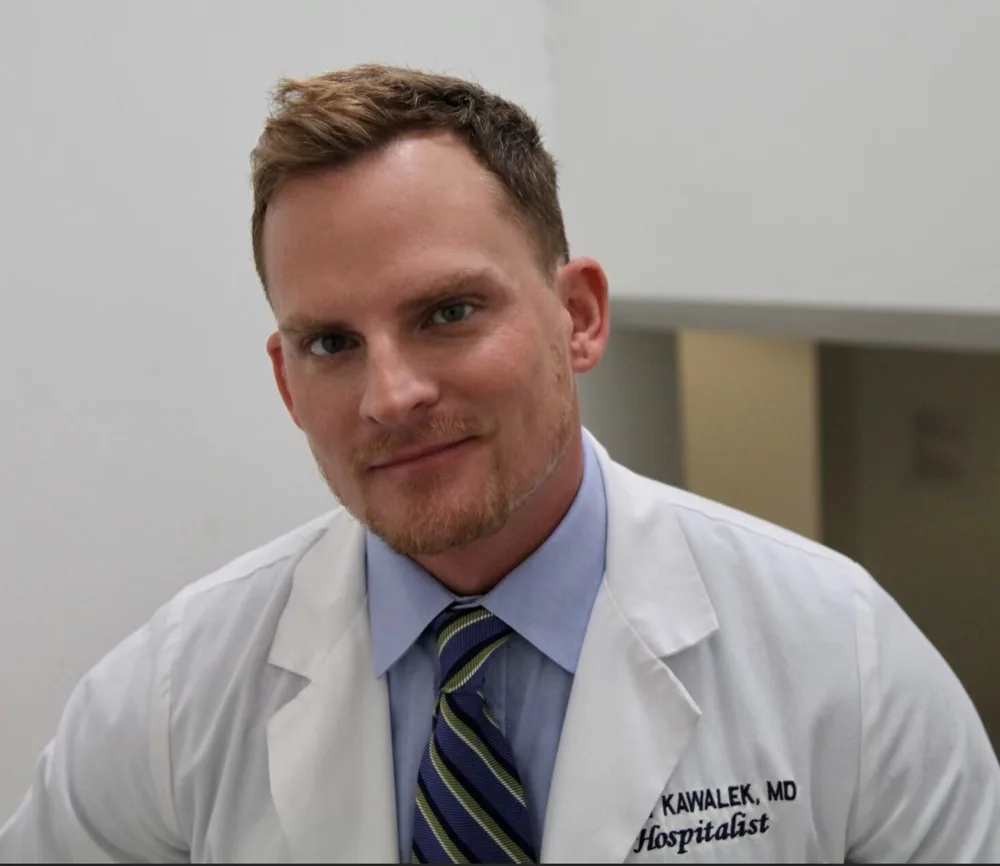
Get my doctor's note →Dr. Kawalek is a hospitalist physician with 15+ years of clinical experience. He founded SickSlip to give patients fast, affordable access to legitimate medical documentation without unnecessary clinical barriers.