Things I Heard in the ER: "I just started a new job and I'm already calling in sick"
"I just started two weeks ago. I can't call in sick. They'll think I'm not serious about the job."
If what you need is the note itself, get a doctor's note online from SickSlip; the rest of this guide covers the rules.
I've heard some version of this more times than I can count. A young professional sitting in my exam room, clearly miserable — fever, congestion, the whole thing — but more worried about their inbox than their symptoms.
I get it. That first month at a new job is when you're trying to prove yourself. You show up early. You stay late. You don't complain. And you definitely don't call in sick.
But here's what I've learned after years of practicing medicine: going to work sick during your first month does more damage to your reputation than staying home.

Why Showing Up Sick Backfires
Think about it from your manager's perspective. A new hire shows up sniffling, coughing, clearly unwell. Now your coworkers are nervous. Your focus is gone. Your output is half what it normally would be. And if you get someone else sick, you've just created a bigger problem than one missed day.
Nobody has ever been fired for catching a cold. But plenty of people have made a bad first impression by dragging themselves in when they clearly shouldn't have.
Need a note right now?
Physician-reviewed. Employer-accepted. $29.99 flat fee. No waiting room.
Get my doctor's note →What Actually Protects You
A doctor's note. That's it. A simple piece of documentation that turns "I don't feel well" into "a physician confirmed I needed the day off." It changes the entire conversation with HR.
Most employers — especially larger ones with formal attendance policies — treat a documented absence completely differently than an undocumented one. One goes in your file as excused. The other raises questions.
Also read: Can You Get Fired for Calling in Sick Without a Doctor's Note?
My Advice
If you're new at a job and you wake up sick, do three things:
- Text your manager early. Don't wait until 5 minutes before your shift. A 6 AM heads-up shows responsibility.
- Get a doctor's note. It takes the guesswork out of the situation. Your manager doesn't have to wonder if you're really sick — they have documentation.
- Rest. Actually rest. Come back at full strength and make up the time. That's what people remember.
Also read: Dr. Adam's Ultimate Guide to Doctor's Notes in 2026
The employees I worry about aren't the ones who take a sick day in their first month. They're the ones who never take one — and burn out by month three.
Need a note right now?
Physician-reviewed. Employer-accepted. $29.99 flat fee. No waiting room.
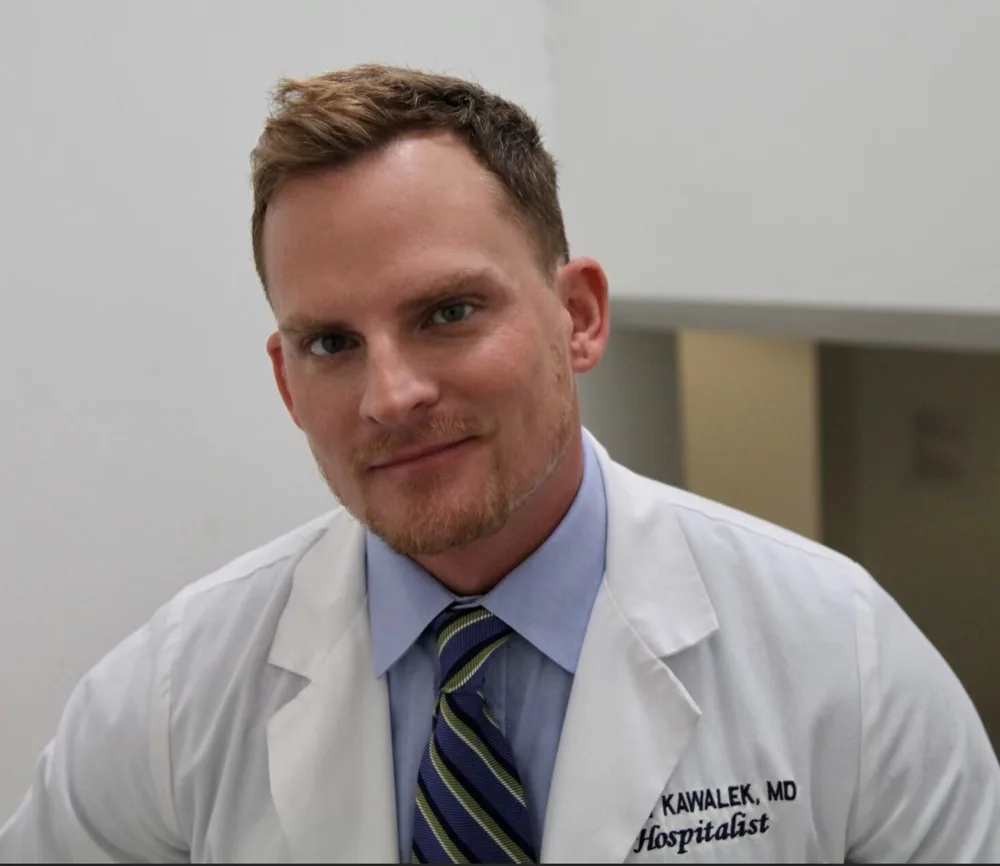
Get my doctor's note →Dr. Kawalek is a hospitalist physician with 15+ years of clinical experience. He founded SickSlip to give patients fast, affordable access to legitimate medical documentation without unnecessary clinical barriers.