Short-Term Disability, State Disability, and Paid Family Leave vs. a Doctor's Note
A doctor's note, short-term disability, state disability, and paid family leave get lumped together constantly — but they're very different tools, and using the wrong one (or expecting a quick note to do a disability claim's job) leaves people stuck. As a physician, here's how they actually differ and who has to sign off on each.
If you came here for a physician-signed doctor's note online, SickSlip issues them; what follows is the guidance.

A doctor's note: documenting a short absence
A doctor's note is the simplest of these. It documents that a clinician supports your absence and the dates you should be excused — typically for a routine, short-term illness. It is not a benefit, it doesn't replace your wages, and it doesn't trigger job protection. Its job is documentation for your employer or school, full stop.
Short-term disability (STD)
Short-term disability is wage replacement — it pays a portion of your income while you're medically unable to work, often after a brief waiting period, for a defined number of weeks. It can be an employer-sponsored insurance benefit or a private policy. STD requires medical certification from the provider treating your condition, who documents why you can't perform your job and for how long. A same-day absence note can't establish that.
State disability insurance (SDI)
Some states run their own disability insurance programs that pay benefits when you can't work because of a non-work-related illness or injury. California, New York, New Jersey, Rhode Island, and Hawaii have versions of this (rules and names vary by state). Like STD, SDI requires a medical certification from your treating provider and is filed with the state program — it's a benefits claim, not a note.
Paid family leave (PFL)
Paid family leave provides paid time off to care for a seriously ill family member or to bond with a new child. A growing number of states — including California, New York, New Jersey, Washington, Colorado, Oregon, and others — run PFL programs, and the details differ everywhere. When it's tied to a family member's medical condition, it generally requires that person's treating provider to certify the condition.
Just need a short absence documented?
SickSlip isn't a disability or leave program, but for a routine short-term illness a board-certified physician can review your case and issue a verifiable note the same day.
Get my note →The common thread: these need your treating provider
Notice the pattern. STD, SDI, and PFL are all benefits programs built on a medical certification from the provider who is actually treating the relevant condition over time. That's by design — these programs pay money and protect jobs, so they require a clinician who can stand behind the clinical picture, not a one-time documentation review.
What SickSlip can and can't do
SickSlip issues routine short-term absence notes. SickSlip does not file disability claims, complete STD/SDI/PFL certification forms, or replace your wages. If you need one of those programs, work with the physician treating your condition and your employer's HR or your state's program. For a simple, short absence, a routine note is the right and faster tool.
The bottom line
Match the tool to the need. Out for a day or two with a routine illness? That's a doctor's note. Unable to work for weeks, or caring for a seriously ill family member, and you need pay or protection? That's a disability or paid-leave program — and it runs through your treating provider, not a same-day note.
What's the difference between a doctor's note and short-term disability?
Which states have state disability insurance (SDI)?
Can SickSlip file a disability or paid family leave claim?
Do I need my treating doctor for disability or paid leave?
When is a doctor's note the right tool?
Just need a short absence documented?
SickSlip isn't a disability or leave program, but for a routine short-term illness a board-certified physician can review your case and issue a verifiable note the same day.
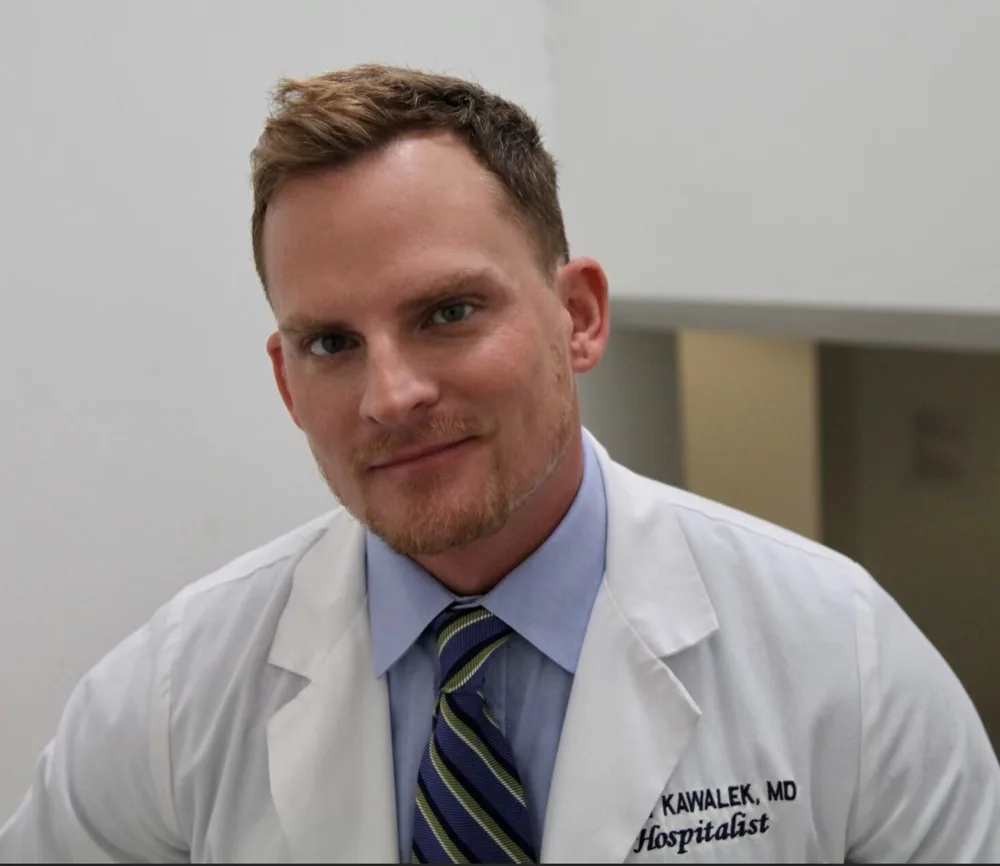
Get my note →Dr. Kawalek is a hospitalist physician with 15+ years of clinical experience. He founded SickSlip to give patients fast, affordable access to legitimate medical documentation without unnecessary clinical barriers.