Doctor's Note for a Mental Health Day: A Physician's Perspective
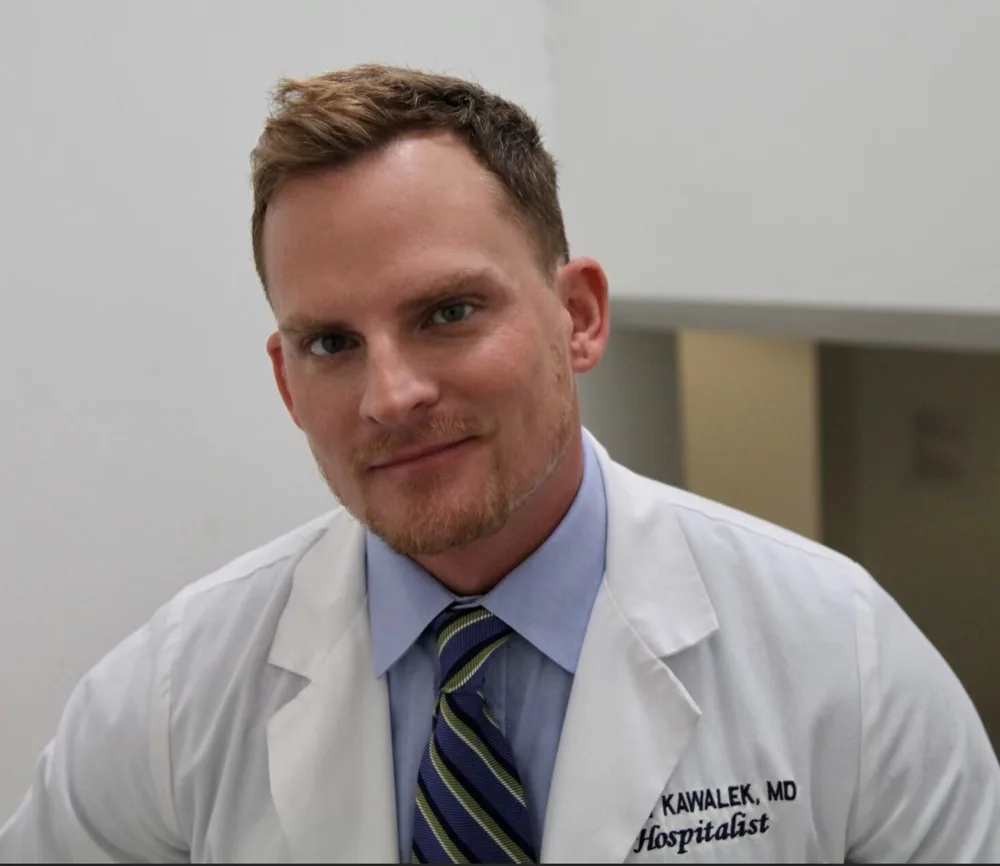
The phrase "mental health day" has gotten flattened into a meme, which is too bad, because the underlying clinical reality is real: acute stress, anxiety episodes, burnout, and situational depression are all legitimate reasons to be medically unable to work. I'm Dr. Adam Z. Kawalek, a board-certified internist, and here's how I think about mental-health absences — the ones where a note is appropriate, the ones where it isn't, and the line where you should be getting real care instead.
If you came here for a physician-signed doctor's note online, SickSlip issues them; what follows is the guidance.

The short answer
Yes, you can get a same-day doctor's note for an acute mental-health episode through SickSlip. Common reasons include an acute anxiety episode, severe burnout or exhaustion, a stress reaction to a specific event, or insomnia severe enough to impair function. A 1–2 day absence is typical. If you're in acute crisis — thoughts of harming yourself, unable to care for yourself, psychotic symptoms — a note is not what you need. Call 988 (the Suicide and Crisis Lifeline) or go to an ER.
When a mental-health absence is clinically appropriate
The clinical question I'm asking when I review a mental-health absence request is the same question I'd ask for any other symptom: is this person actually unable to function at work safely and effectively right now, and will a short absence meaningfully help? There are several common scenarios where the answer is yes:
- Acute anxiety episode. Panic symptoms the day before or morning of, resolving within 24–48 hours with rest and the person's usual coping strategies. Work performance would be materially impaired and the recovery curve is predictable.
- Severe burnout exhaustion. Weeks of chronic overwork culminating in a day where you physically can't function. Appropriate to step out for 1–2 days to reset; not appropriate as a long-term strategy without addressing the root cause.
- Acute stress reaction to a specific event. Death in the family, breakup, serious diagnosis in a loved one, major life disruption. A short absence to process is clinically legitimate.
- Severe insomnia. Multiple consecutive nights of <4 hours sleep. Driving or operating machinery becomes genuinely unsafe; working becomes ineffective. A day off to recover sleep is appropriate.
- Medication adjustment. Starting, stopping, or changing a psychiatric medication often produces 1–3 days of side effects that impair function. Note is appropriate while you stabilize.
Where the line is
A note is not a substitute for actual treatment. If you're asking for a mental-health absence more than 1–2 times a month, or the underlying condition is getting worse not better, or you're noticing patterns that concern you — a persistent low mood, a loss of interest in things you used to enjoy, intrusive thoughts, insomnia that won't resolve with rest — those need a real clinical workup. A board-certified internist can help, a therapist can help, a psychiatrist can help. A doctor's note documents an episode; it doesn't treat the underlying condition.
And if you're in crisis — active suicidal ideation, plans to harm yourself or someone else, acute psychotic symptoms, severe dissociation — call 988 or go to an ER. That's a medical emergency, not a note-for-work situation.
Need a note right now?
Physician-reviewed. Employer-accepted. $29.99 flat fee. No waiting room.
Get my doctor's note →How many days off is appropriate?
- 1 day: Acute single-episode anxiety, a hard night, medication side effects. Reset and return.
- 2 days: Severe burnout reset, acute stress reaction to an event, post-crisis recovery. This is the most common length for genuine mental-health absences.
- 3–5 days: Starts to look like a condition that warrants an actual mental-health clinical encounter, not a sick note. I'll generally decline requests in this range unless there's a specific acute circumstance and the patient has (or is seeking) ongoing care.
- More than 5 days: That's FMLA / ADA / short-term disability territory, and a SickSlip note is the wrong mechanism. You need a treating provider, clinical documentation, and likely an HR conversation.
What goes on the note
Per HIPAA, your employer is not entitled to know the diagnosis. The note states that a licensed physician has certified you are medically unable to work on specific dates due to an acute medical condition. It doesn't say "anxiety" or "mental health" or "burnout." That protection matters — it's part of why physician-signed documentation is the right mechanism for any absence you don't want to explain in detail to your manager.
(Dealing with diagnosed anxiety or depression rather than a general reset day? We've written a dedicated companion guide: a doctor's note for anxiety or depression, and how your privacy is protected.)
Getting the note without a video call
The thing a mental-health episode often demands is solitude, and sitting on a screen with a stranger answering questions about your mental state is the opposite of that. SickSlip's intake is asynchronous — you fill out a short form at your own pace, describe what's going on in your own words, and a board-certified physician reviews the request. No video call, no phone call, no waiting room.
That design choice is deliberate: the clinical evaluation of an acute mental-health absence doesn't require the things that are often the hardest parts of an attack. A written description, a history, a clear request, and an appropriate number of days is what a physician actually needs to make a determination.
Frequently asked questions
Is taking a mental health day considered sick leave?
Will the note say anything about mental health specifically?
Can I get a mental-health day note if I don't have a psychiatric diagnosis?
What if I need more than a couple days off?
Can I request a mental-health day in advance?
What if I'm in crisis?
A discreet online doctor's note covers the day without showing a diagnosis.
Need a note right now?
Physician-reviewed. Employer-accepted. $29.99 flat fee. No waiting room.
Get my doctor's note →Dr. Kawalek is a hospitalist physician with 15+ years of clinical experience. He founded SickSlip to give patients fast, affordable access to legitimate medical documentation without unnecessary clinical barriers.