Doctor's Note for School Absences: A Parent's Guide (What Schools Accept in 2026)
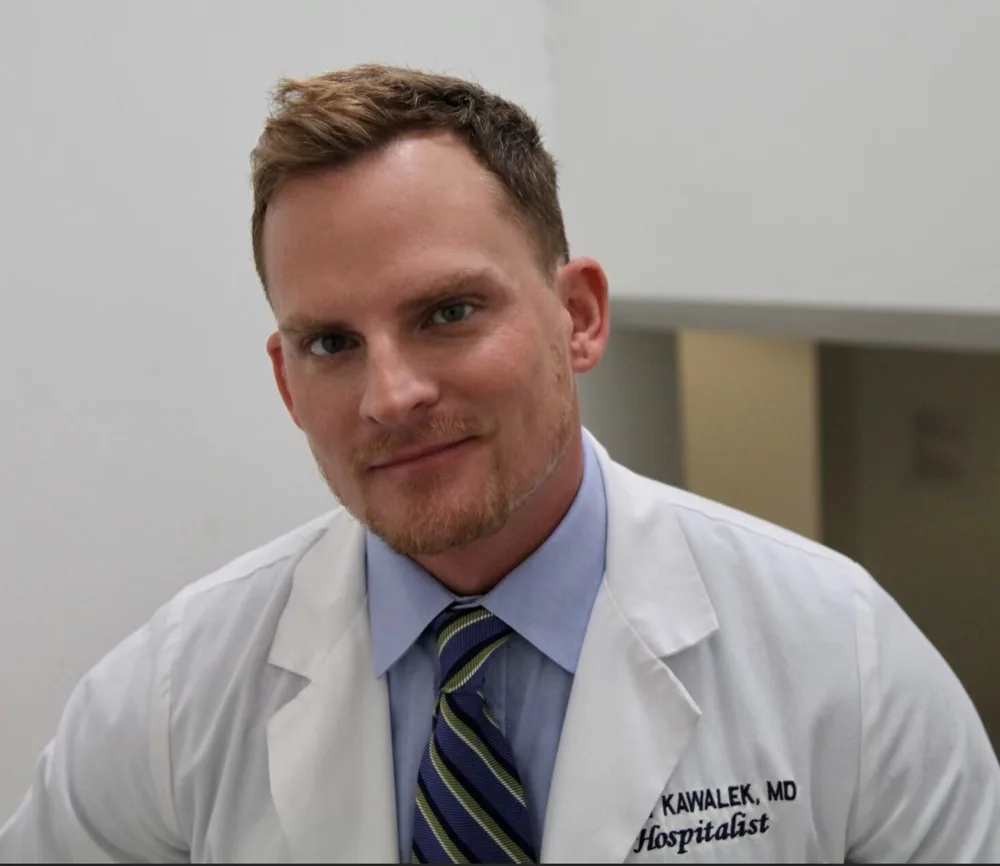
If the school just asked you for a doctor's note for your child's absence, this guide is for you. I'm Dr. Adam Z. Kawalek, a board-certified internist, and absence documentation is a big part of my practice. Here is how school note requirements really work in 2026, what the note needs to say, and how to get one the same day without dragging a recovering kid to a clinic.
If what you need is the note itself, get a doctor's note online from SickSlip; the rest of this guide covers the rules.
Two things before we start. First, attendance rules are local. Your district's parent handbook outranks anything you read online, including this guide. Second, this is usually simpler than the school's email makes it sound. The school is not trying to catch you. It needs to file the absence as excused, and it needs a piece of paper to do that.

When schools actually require a doctor's note
For most short absences, your own note or phone call is enough. You report that your child was sick, the school marks the day excused, and that is the end of it. A doctor's note usually enters the picture in three situations:
- Consecutive days. The most common trigger is two or three school days in a row. Some districts ask after a single day, others not until five. The exact number is in the parent handbook or the attendance section of the school website.
- A pattern of absences. After a certain number of parent-reported sick days in a term, many schools start requiring medical documentation for each new one.
- Timing. Absences during state testing, final exams, or the days right before and after a school break often carry stricter documentation rules.
If none of those apply, call the front office and ask whether a parent note is enough before you pay anyone for documentation. Attendance emails are often form letters, and a two-minute call can settle it. If the school does require one, you can get a doctor's note for school online the same day.
Why schools tightened up on notes
Schools are under real pressure on attendance. A student who misses 10% of the school year, about 18 days, counts as chronically absent under most states' definitions, and chronic absence rates jumped after the pandemic and remain well above 2019 levels. Districts answer to their states for those numbers, and school funding is often tied to attendance. Stricter documentation rules are the visible end of that pressure.
The stakes for families are real too. Unexcused absences stack toward truancy: first letters, then meetings, and in some states referrals that can involve courts. Getting an absence correctly excused is not paperwork for its own sake. It keeps a sick kid's cold from turning into an administrative problem.
Whether these policies are fair is a separate conversation, and I have written honestly about where I think school sick note policies go too far. This guide is about the practical side: meeting the requirement with the least disruption to your family.
Need a school note today?
A board-certified physician reviews your child's symptoms and signs same-day school documentation when medically appropriate. $29.99 flat, and if their school won't accept the note, you get a full refund.
Get my child's note →What the note actually needs to say
School absence notes are short. A good one fits on half a page and includes:
- Your child's full name
- The dates your child was unable to attend school
- The date they can return
- Any temporary limits, like sitting out PE for a few days
- The provider's name, credentials, and signature, plus a way for the school to verify the note is real
Notice what is not on the list: the diagnosis. Schools track whether an absence was medically legitimate and when the student can safely return. They do not need your child's medical details for that, and a note documenting the absence for a general medical reason satisfies nearly every district policy. Keep in mind that once you hand a note to the school, it becomes part of your child's education record under FERPA, the federal student privacy law. Keeping the wording general is good privacy practice, not evasiveness.
One more check before you request anything: some districts use their own absence form instead of a free-form note. Look at the school's email or parent portal first, so whoever documents the absence can match what the school expects.
When to keep your child home
The note is the easy part. The judgment call is whether your child should be home at all, and pediatric guidance here is more settled than most parents expect:
- Fever. Home until your child has been fever free for 24 hours without fever-reducing medicine, per CDC guidance.
- Vomiting or diarrhea. The common school standard is 24 hours after the last episode.
- Strep throat. Home until at least 12 to 24 hours after antibiotics start, once fever is gone. The American Academy of Pediatrics keeps a practical when-to-keep-them-home list worth bookmarking.
- A mild cold with no fever. Usually fine to attend, if your child feels up to it.
And a line I include for honesty: a doctor's note documents an absence. It does not make a contagious child safe to return. If your child is getting worse instead of better, has trouble breathing, shows signs of dehydration, or runs a fever past three days, that is a pediatrician or urgent care visit, not a paperwork question.
Need a school note today?
A board-certified physician reviews your child's symptoms and signs same-day school documentation when medically appropriate. $29.99 flat, and if their school won't accept the note, you get a full refund.
Get my child's note →How to get a school note the same day
If your child needs medical care, start with your pediatrician. The visit produces the note as a matter of course. The gap this guide solves is the other case, the one every parent knows: a 24-hour bug that needs rest and fluids rather than treatment, a pediatrician booked out for days, and a front office that still wants documentation by Friday.
That gap is what telehealth absence documentation is for, and it is exactly what we built SickSlip to do. A parent or legal guardian completes a short intake describing the child's symptoms; it works for any school-age child, elementary through high school. I review the case personally, and when it is medically appropriate I sign a note formatted for school use the same day. It is $29.99 flat, priority processing is $8 more, and if your child's situation does not qualify, you get a 100% refund. Every note carries my name, NPI number, and state license, plus a QR code the front office can scan to confirm the note is real in seconds. I am licensed in 29 states, and the intake tells you right away whether yours is covered.
When a note is the wrong tool
A telehealth note is built for short, routine illness. Three situations call for something better:
- Repeating absences. If sick days are stacking up month after month, the school will eventually want more than notes, and clinically, something deserves a proper look. That pattern is a pediatrician conversation, and for a chronic condition like asthma or migraine it may be worth asking the school about a 504 plan, which builds the accommodation in rather than documenting one absence at a time.
- School avoidance. Sunday-night stomachaches that vanish on weekends are a real health signal, just not one a note fixes. Talk to your pediatrician and the school counselor early. It is far easier to turn around in October than in March.
- Long absences. Anything stretching past a week belongs with your child's treating provider and a formal conversation with the school, not a stack of short notes.
How many days can my child miss school before a doctor's note is required?
Can a parent get a doctor’s note for a child without an office visit?
Does the note tell the school what illness my child had?
Will the school accept a telehealth doctor’s note?
What if my child is already back at school?
How much does an online doctor’s note for school cost?
My college student needs a note. Does this apply to them?
Need a school note today?
A board-certified physician reviews your child's symptoms and signs same-day school documentation when medically appropriate. $29.99 flat, and if their school won't accept the note, you get a full refund.
Get my child's note →Dr. Kawalek is a hospitalist physician with 15+ years of clinical experience. He founded SickSlip to give patients fast, affordable access to legitimate medical documentation without unnecessary clinical barriers.