Still Going to a Clinic Just for a Doctor's Note? There's a Better Way
If you've ever had to take time off work or keep your child home from school, chances are you've faced an oddly frustrating question: “Do you have a doctor's note?”
In short
With SickSlip, you fill out a short written intake, a board-certified physician licensed in your state reviews it and decides, and the signed note is emailed the same day for $29.99. If the physician declines, you are refunded.
If what you need is the note itself, get a doctor's note online from SickSlip; the rest of this guide covers the rules.
It's a simple ask on paper, but the process behind it is anything but simple.
For millions of Americans, getting a doctor's note requires steps that serve no medical purpose. That means booking clinic visits, sitting in waiting rooms, answering irrelevant health questions, and paying $150–$250 out of pocket without insurance — all for a single page that says you were feeling unwell. Two to four hours easily goes into the entire process.
In a world where most services are becoming more streamlined and accessible, many are left wondering: why is this still so hard?

What Is a Doctor's Note?
A doctor's note — sometimes called a sick note, medical excuse, or return-to-work note — is a document from a licensed physician confirming that you were unwell and unable to attend work or school on specific dates.
Employers, HR departments, schools, and universities commonly request one as documentation when someone is out sick. It's a standard part of the process, and a doctor's note for work is something most working adults will need at some point.
The note doesn't need to disclose your diagnosis. It simply verifies that a licensed clinician reviewed your situation and authorized the absence.
Need a note right now?
Physician-reviewed. Employer-accepted. $29.99 flat fee. No waiting room.
Get my doctor's note →What Does a Legitimate Doctor's Note Include?
Whether you get it in person or online, a valid doctor's note should include:
- The physician's full name, credentials, and NPI number (National Provider Identifier — the federal ID every U.S. physician carries)
- The clinic or practice name and contact information
- The dates of absence being authorized
- A brief clinical statement confirming that the patient was evaluated
- The physician's signature and date of issue
- A verification method — increasingly, a QR code or verification link, so employers can confirm authenticity
If a note is missing any of these — especially the NPI and a way to verify it — HR or school administrators may question it. That's why legitimacy matters more than speed.
The Hidden Costs of the Traditional Clinic Visit
On paper, a quick urgent care visit sounds simple. In practice, here's what it actually costs:
- Your time. Drive there, check in, wait, get seen, wait for the note, drive home. Easily 2–4 hours when you're already sick.
- Your money. Urgent care visits in the U.S. average $150–$250 out of pocket without insurance. Copays with insurance typically run $25–$75. Add parking, gas, or rideshare on top.
- Your energy. Sitting in a waiting room full of other sick people when you should be resting at home slows your recovery.
- Exposure risk. Waiting rooms are one of the easier places to pick up something new on top of what you already have.
For a straightforward request — documentation of a common illness like a cold, flu, migraine, stomach bug, or minor injury — the traditional process is time-consuming relative to what's actually needed.
Is an Online Doctor's Note Legitimate?
Yes — when it's issued by a licensed physician after a real clinical review.
The key word there is physician. A legitimate online sick note isn't a template you fill out yourself. It's a document issued after a U.S.-licensed doctor has reviewed your submission, confirmed the clinical details, and authorized the note under their own NPI and signature.
That's the difference between a real doctor's note and a fake one. Fake notes — the kind HR departments flag immediately — have no verifiable physician, no NPI, and no way to confirm authenticity. Real online notes have all of that: the same credentials you'd get from a clinic, delivered faster.
How much does a doctor's note cost online? At SickSlip, a standard physician-verified note is $29.99 and a rush note (priority processing) is $37.99. Flat fee, one-time charge — no subscription. Typically a fraction of an urgent care copay.
→ See what a physician-signed SickSlip note looks like — with its QR verification page.
Need a note right now?
Physician-reviewed. Employer-accepted. $29.99 flat fee. No waiting room.
Get my doctor's note →Why an Online Doctor's Note Is the Smarter Option
For routine documentation needs, an online doctor's note gives you everything a clinic visit gives you — minus the waiting room.
Here's what you get with SickSlip:
- A real U.S.-licensed physician reviews every submission. No bots, no templates.
- Full credentials on the note — physician name, NPI, signature, state license information.
- QR code verification so your employer or school can confirm it's real in one scan.
- Standard delivery same day; rush notes delivered in under 15 minutes.
- $29.99 standard / $37.99 rush — transparent flat-fee pricing, no surprise bills, no subscription.
- 100% refund if we're unable to issue your note after physician review.
You rest at home. A physician reviews your case. You get a legitimate, verifiable doctor's note online — the same kind of documentation a clinic would issue, without the travel, the waiting, or the copay.
If you need a doctor's note for work or school and your situation is straightforward, you don't need to spend your sick day in a waiting room.
For a physician-authored comparison of how SickSlip stacks up against other online doctor's note services, see our buyer's guide to online doctor's note services.
Need a note right now?
Physician-reviewed. Employer-accepted. $29.99 flat fee. No waiting room.
Get my doctor's note →Frequently asked questions
How do I get a doctor's note online?
Are online doctor's notes real?
How long does an online doctor's note take?
How much does an online doctor's note cost?
Will my employer or school accept an online doctor's note?
Is an online doctor's note legally valid?
Need a note right now?
Physician-reviewed. Employer-accepted. $29.99 flat fee. No waiting room.
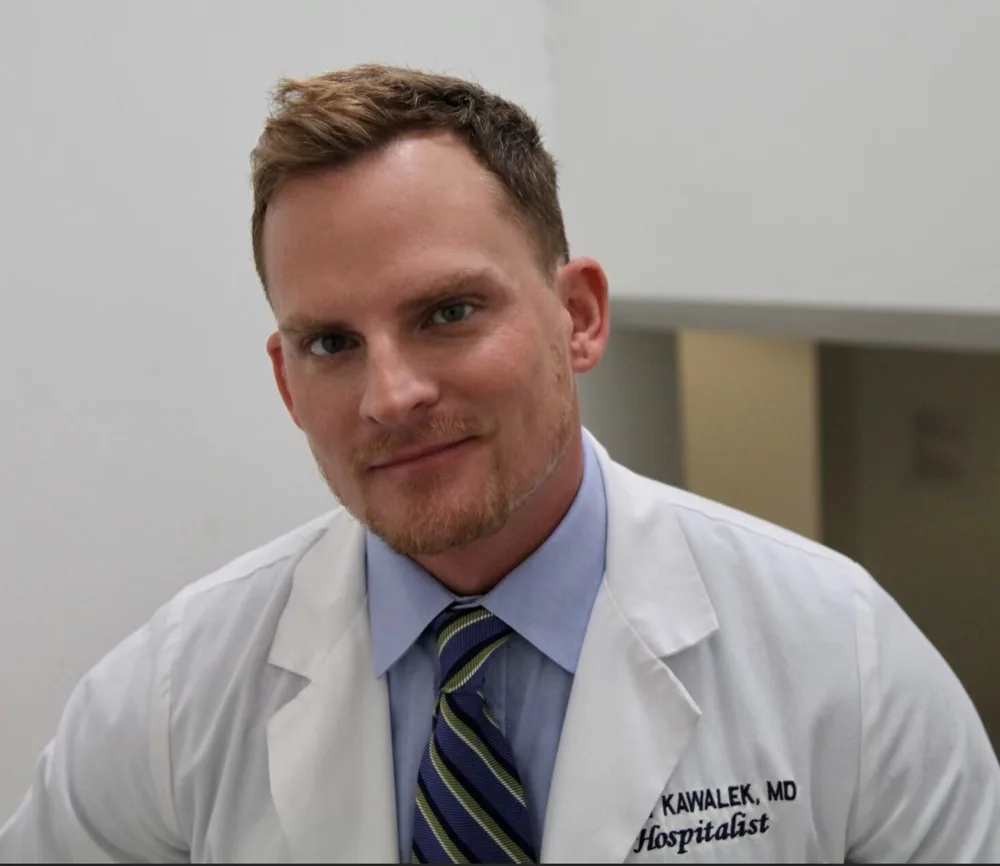
Get my doctor's note →Dr. Kawalek is a hospitalist physician with 15+ years of clinical experience. He founded SickSlip to give patients fast, affordable access to legitimate medical documentation without unnecessary clinical barriers.