Return to Work Doctor's Note vs Fit-for-Duty Clearance (When You Need Each)
"Return-to-work note," "fit-for-duty clearance," "release to return to duty" — employers use these terms almost interchangeably, but they don't all mean the same thing. As a physician, I want to be clear about the difference, because it decides whether an online physician can help you or whether you need your own treating doctor.
This guide explains the rules. For the note itself, SickSlip issues a physician-signed doctor's note online.

What a return-to-work note actually is
A return-to-work note is documentation that you're cleared to resume work after an absence. Sometimes it's a simple "this person may return to work on [date]" line. Other times it specifies restrictions — light duty, no lifting over a certain weight, limited hours — that an employer is expected to accommodate for a period of time. The note's job is to tell your employer what you can safely do, not to hand over your medical history.
The two very different situations
Almost every return-to-work question falls into one of two buckets, and they are not the same:
- After a routine short illness — you were out with the flu or a stomach bug, you're better, and HR wants a line confirming you're cleared to come back. A physician reviewing your case can often issue this.
- After surgery, an injury, a hospitalization, FMLA leave, or a workplace incident — this is fit-for-duty clearance, and it typically requires the treating physician who actually managed your condition, sometimes with an exam or a completed work-restriction form.
Why the difference matters
A fit-for-duty clearance issued by someone who never treated the underlying condition isn't worth much to a safety-sensitive employer — and more importantly, it could put you at real risk. If you're recovering from surgery or a serious injury, the clinician signing off on your readiness should be the one who knows your case. An asynchronous online review is not the right tool there, and I'll tell you that plainly rather than take your money.
Returning with restrictions (light duty)
Plenty of return-to-work notes aren't a flat yes or no — they're a yes, with limits. A note might clear you to work but restrict heavy lifting, prolonged standing, or hours for a defined period. Under the Americans with Disabilities Act, employers are generally expected to consider reasonable accommodations for documented restrictions. Restrictions tied to a specific injury, surgery, or ongoing condition should come from the treating physician who can speak to exactly what you can and can't do.
Cleared to head back after a routine illness?
A board-certified physician reviews your case and, when it's appropriate, issues a verifiable return-to-work note — delivered the same day.
Get my note →Returning from FMLA leave
If your absence was covered by the Family and Medical Leave Act, your employer may require a fitness-for-duty certification before you return — but only if they have a uniformly applied policy and told you about it up front. That certification relates to the specific condition that caused your leave, which is exactly why it has to come from your treating provider, not a general online review.
What your employer can and can't ask for
An employer can ask for confirmation that you're able to return and safely do your job. They generally cannot demand your full diagnosis or medical history as a condition of returning — medical information is supposed to stay limited and confidential. A good return-to-work note reflects that: it states your clearance and any restrictions, and stops there.
What SickSlip can and can't do here
SickSlip can issue a straightforward return-to-work note after a routine, self-limited absence. SickSlip cannot issue fit-for-duty clearance after surgery, injury, hospitalization, or leave, and cannot complete an employer's work-restriction or functional-capacity form that requires a treating relationship. If that's what your employer needs, your own physician is the right path — and we'll say so.
What makes a return-to-work note acceptable
As with any medical documentation, employers accept a return-to-work note when it's verifiable: a board-certified physician's signature, NPI number, state license information, and a way to authenticate it. A SickSlip note includes a QR code and a verification line so your HR team can confirm it directly.
What's the difference between a return-to-work note and fit-for-duty clearance?
Can I get a return-to-work note online?
Do I need my own doctor after surgery or an injury?
Can my employer ask for my diagnosis before I return?
What if my employer has a specific work-restriction form?
Cleared to head back after a routine illness?
A board-certified physician reviews your case and, when it's appropriate, issues a verifiable return-to-work note — delivered the same day.
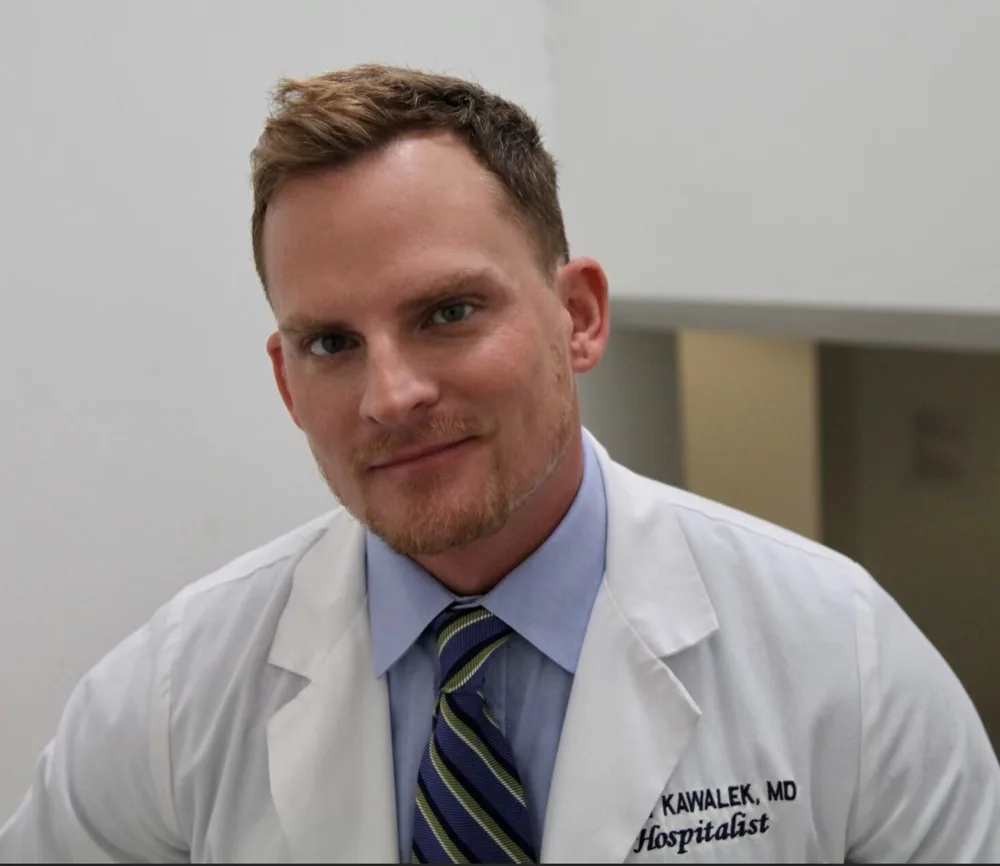
Get my note →Dr. Kawalek is a hospitalist physician with 15+ years of clinical experience. He founded SickSlip to give patients fast, affordable access to legitimate medical documentation without unnecessary clinical barriers.