ER & Hospital Doctor's Notes: How They Work (2026)
If your illness or injury was bad enough to land you in an emergency room, getting a note for work should be the easiest part of your week — the ER generates more paperwork than almost any encounter in medicine. And yet I constantly hear from people who walked out mid-crisis without asking for anything, and are now worrying about Monday. Here's exactly what the hospital already gave you, how to get proof after the fact, and what to do about the recovery days the ER can't document.

What the ER gives you automatically
Every ER visit ends with discharge paperwork: aftercare instructions and a visit summary showing the facility, the date and time of your visit, and the treating clinician. That paperwork is documentation of a medical encounter — and many employers accept it directly as proof of a legitimate absence. One privacy point worth knowing: discharge papers often include clinical details your employer has no right to demand. You can share the page that confirms the visit and keep the rest; your employer is entitled to confirmation that your absence was medically supported, not to your chart.
Turning discharge papers into an absence note
Sometimes the discharge papers say everything your job needs — the visit date and a line like "may return to work on…" But often they only prove the day you were seen. The fix is easy while you're still there: ask at discharge. ER staff write work releases routinely, and it takes them minutes. If your role has physical demands, ask the discharging clinician to include the specific dates you should stay out.
One nuance people miss: the ER documents the encounter, not your whole recovery. If you're out longer than the papers state — say the visit confirms Tuesday, but you genuinely needed the rest of the week — those extra days need their own documentation, from a follow-up provider or an online physician review. Handing HR an ER paper for Tuesday doesn't cover Thursday.
Left without asking? Your three options
1. Your patient portal (fastest). Most hospital systems post the visit summary to their portal (MyChart and similar) within a day or two of the visit. Download it, share the confirmation page, done.
2. The medical records department. Every hospital has one (often called Health Information Management). You have a legal right to your records — by law they must respond within 30 days, though most are far faster. The catch: records departments release copies of what already exists. They can confirm your visit; they generally won't write new documentation after the fact.
3. A same-day online note for the absence itself. If HR's deadline won't wait for a records request, a licensed physician can review your situation now and issue documentation for the dates you were out. It doesn't recreate the hospital record — it doesn't need to. For "prove to HR this absence was legitimate," a signed, verifiable physician's note does the job, today. My guide to getting a doctor's note without seeing a doctor explains how that review works.
Need your absence documented?
A board-certified physician reviews your case and, when it's appropriate, issues a signed, verifiable doctor's note — usually the same day.
Get my note →What if you were sick but never went in
Plenty of illnesses are miserable without being emergencies — and if you stayed home with a stomach bug instead of spending six hours and a four-figure bill in an ER waiting room, you made the right call. Emergency rooms are for emergencies; I will never tell someone to go to one for paperwork. The same logic I described for urgent care applies here: no encounter means the hospital has nothing to document. But an online physician review creates a legitimate encounter of its own — you complete a short intake, a board-certified physician evaluates it, and when it's clinically appropriate, you get a signed, verifiable note the same day. And it's a genuine review: cases that don't support documentation are declined and refunded.
How long each path takes
Asking at discharge: minutes, while you're still in the building. Patient portal: usually a day or two. Medical records request: days to weeks — up to 30 days by law, though most hospitals are quicker. Online physician review: usually the same day. If HR wants paper by tomorrow morning, choose accordingly.
Coming back after a serious visit
One last thing: after a significant injury, procedure, or hospitalization, some employers require more than proof you were out — they want clearance that you're safe to come back. That's a different document (a return-to-work or fit-for-duty note), and it works differently: here's when you actually need one.
When the ER is exactly where you should be
Physician hat firmly on: chest pain, trouble breathing, sudden weakness or confusion, severe abdominal pain, uncontrolled bleeding, a bad head injury — go to the emergency room, now, and let the paperwork be the last thing on your mind. The documentation will be there when you're ready for it; that's what discharge records are for. And one thing that is NOT a reason to go: needing a note. Emergency departments do not write notes for people they didn't treat — walking in and asking for documentation without an evaluation isn't a shortcut anyone will take.
The bottom line
If you went to the ER, the documentation already exists — ask at discharge, check your portal, or request your records. If recovery outlasted the visit, or you were never seen at all, a licensed physician can review your case online and issue legitimate, verifiable documentation the same day. Either way, you don't need to go back to a hospital for a piece of paper.
Do hospitals and ERs give doctor's notes for work?
Can I use discharge papers as a doctor's note?
How do I get proof of an ER visit after I already left?
Can the ER write me a note for days before my visit?
What if I was sick but never went to the ER?
Need your absence documented?
A board-certified physician reviews your case and, when it's appropriate, issues a signed, verifiable doctor's note — usually the same day.
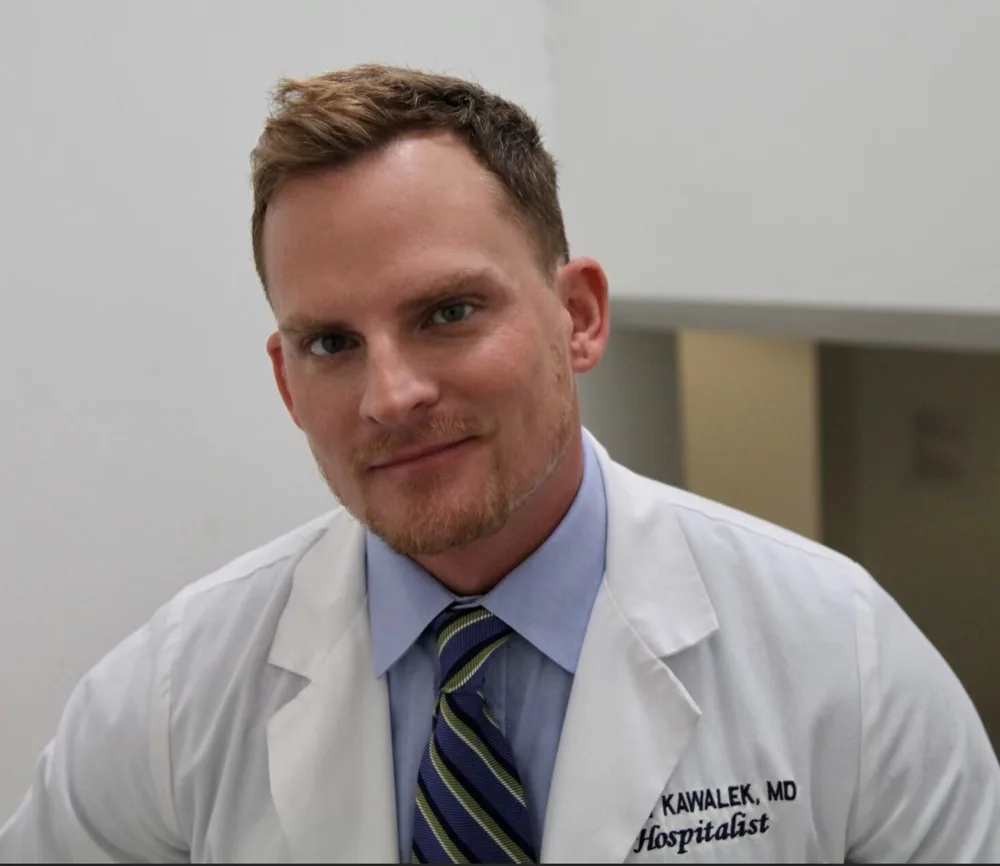
Get my note →Dr. Kawalek is a hospitalist physician with 15+ years of clinical experience. He founded SickSlip to give patients fast, affordable access to legitimate medical documentation without unnecessary clinical barriers.