Can Urgent Care Give You a Doctor's Note Without Being Seen? No
You're sick, you need a note for work, and the urgent care down the street has a 90-minute wait. So you're wondering what half my patients wonder: can they just… give me the note? Can you call ahead, explain you have a stomach bug, and pick up documentation without paying for the whole visit? Here's the honest answer from a board-certified physician — and the legitimate alternative the front desk won't mention.
The short answer, from a physician
No — urgent care will not issue a doctor's note without seeing you. Not over the phone, not at the front desk, not as a favor. A medical note is documentation of a clinical encounter; if there was no encounter, there is nothing for the clinician to document. But here's what most people miss: the visit requirement is about how a clinic works, not about whether your situation deserves documentation. There is a legitimate path to a physician-signed note that doesn't involve a waiting room at all — I'll get to it below.
Why urgent care won't do it without a visit
It isn't gatekeeping for its own sake — there are three concrete reasons. Liability: a clinician's signature on a note says "I evaluated this patient." Signing without any evaluation is falsifying a medical record, which is the kind of thing that ends careers. The chart: every legitimate note corresponds to an encounter in a medical record. No visit means no chart entry — and nothing to stand behind if your employer verifies the note. The business model: urgent care sells visits. The note is a byproduct of a $100–250 encounter; it was never a standalone product on their menu.
The same logic applies to calling a clinic that saw you last month: they can release records of what they observed then, but they won't write new documentation covering this week's illness without evaluating you again.
What the visit costs vs. what the note costs
Let's do the math on using urgent care purely as a note dispenser. The visit runs $100 to $250 before insurance (or a $30–75 copay with it), plus one to three hours of your day — spent sick, in a room full of other sick people. For a routine cold or stomach bug, what you walk out with is rest-and-fluids advice you already knew, and the note. If the note was genuinely all you needed, you just paid urgent-care prices for a signature.
To be clear about what urgent care is for: possible fractures, cuts that need stitches, worsening infections, asthma flares, dehydration — things that need hands-on care but aren't emergencies. If you need an exam, imaging, labs, or an in-person prescription, that's exactly where you should be, and the cost is worth it. The mismatch is only when you're paying for all of that infrastructure to obtain a piece of paper.
Sick, and just need the note?
A board-certified physician reviews your case and, when it's appropriate, signs a verifiable doctor's note — delivered the same day.
Get my note →The telehealth alternative: a physician-reviewed note, online
Here's the part the front desk won't tell you: "without being seen" doesn't have to mean "without a physician." Since 2020, federal and state law have recognized telehealth — including asynchronous review, where a licensed physician evaluates your reported symptoms without a video visit — as legally equivalent to in-person care for routine documentation. You complete a short intake from your phone about a routine illness (a migraine, the flu, a stomach bug), a real physician reviews it, and — when it's clinically appropriate — signs a note that arrives in your email, usually the same day.
The key phrase is when it's appropriate: a physician reviews every case, and if yours doesn't support documentation, you're told so and refunded — reviewed, not rubber-stamped. That clinical-judgment standard is exactly what makes the note legitimate. For the full legal background on how this works, see my guide to getting a doctor's note without seeing a doctor.
When you genuinely should be seen in person — no shortcuts
I'll always tell you the truth here, because it's a safety issue. Go to urgent care or the emergency room if you have any of the following:
- Chest pain or trouble breathing
- A high fever that won't break
- Severe or worsening abdominal pain
- Signs of dehydration
- A head injury
- Symptoms lasting longer than a routine illness should
- Anything that genuinely frightens you
No online note is a substitute for an in-person evaluation when your body is telling you something is wrong.
How employers verify either kind of note
Here's where most people get it wrong: employers don't care where a note came from — they care that it's verifiable. A legitimate note carries a board-certified physician's signature, their NPI number, state license information, and a way to confirm it's real. A SickSlip note includes a QR code and a verification line so your HR team can authenticate it directly — the same standard a clinic note meets.
Sick, and just need the note?
A board-certified physician reviews your case and, when it's appropriate, signs a verifiable doctor's note — delivered the same day.
Get my note →The bottom line
Urgent care will not hand you a note without a visit — and honestly, you don't want the kind of place that would. When you need treatment or an in-person exam, go be seen; that's what urgent care does best. When you're just sick for a day or two and need legitimate documentation, a physician can review your case online the same day, for a fraction of the cost.
Can I get a doctor's note from urgent care without being seen?
Will my employer accept a note that didn't come from urgent care?
How much does urgent care cost just for a note?
Can urgent care refuse to give me a note?
What symptoms mean I should be seen in person instead?
How fast can I get an online doctor's note?
Sick, and just need the note?
A board-certified physician reviews your case and, when it's appropriate, signs a verifiable doctor's note — delivered the same day.
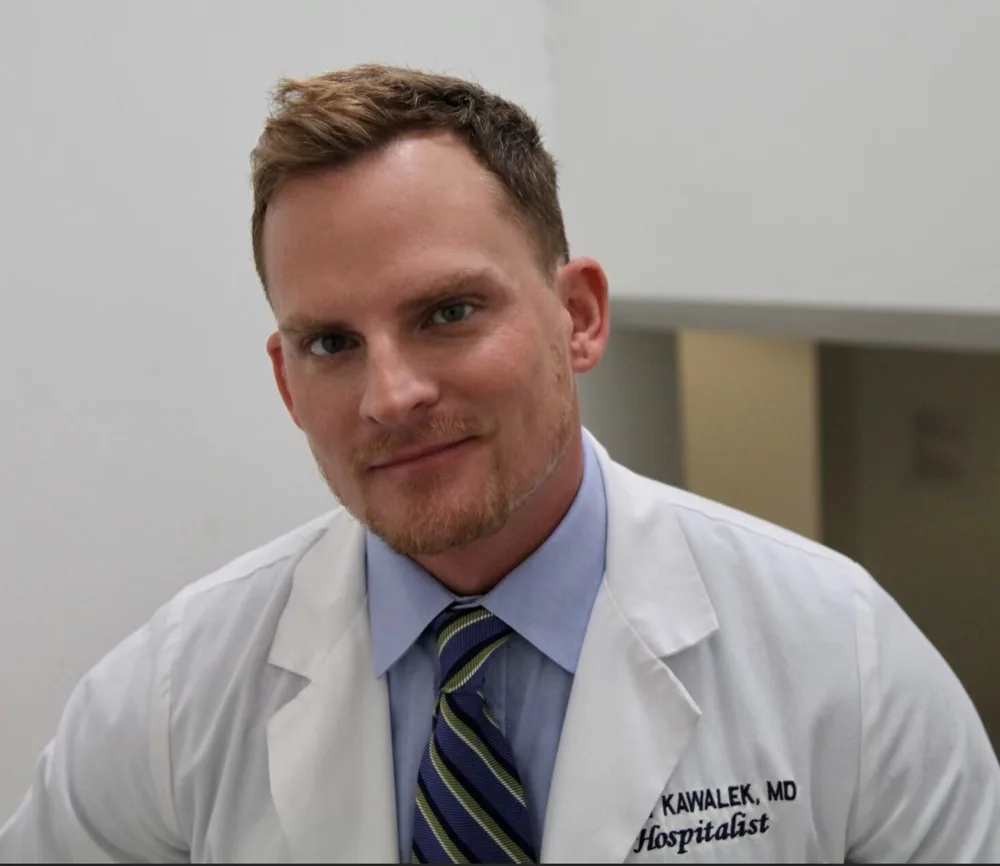
Get my note →Dr. Kawalek is a hospitalist physician with 15+ years of clinical experience. He founded SickSlip to give patients fast, affordable access to legitimate medical documentation without unnecessary clinical barriers.