Doctor's Note for College: Missed Classes, Exams, and What Professors Accept
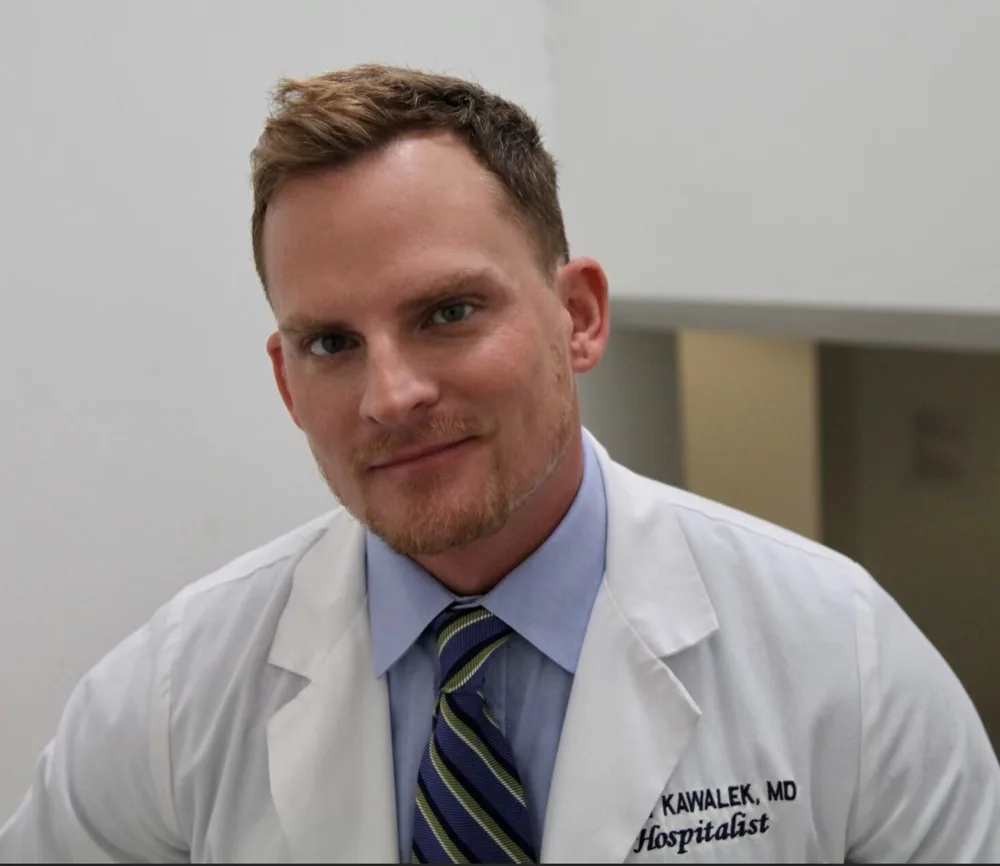
You wake up with a fever the morning of a lab practical, or a stomach bug takes out your Tuesday–Thursday lecture week, and now a syllabus is telling you that absences are only excused “with documentation.” I'm Dr. Adam Z. Kawalek, a board-certified physician, and here's how absence documentation actually works in college — where, unlike high school, nobody calls your parents and the rules live in three different places.
The first thing to understand: in college there is usually no single attendance office. Documentation requirements are set by each professor in the syllabus, sometimes overridden by a department policy, and — for the big stuff like missed finals — handled by the dean of students office. The syllabus is the authority for a regular class day. The dean’s office is the authority when a missed exam, a withdrawal deadline, or an academic petition is involved. If you need physician-signed documentation today, SickSlip issues a doctor's note for school or college the same day for $29.99.
When you actually need a doctor’s note in college
- Missed exams, practicals, and presentations. Almost every syllabus that allows a makeup requires documentation. This is the highest-stakes case — without paperwork, many professors are within policy to give a zero.
- Attendance-graded courses. Labs, seminars, language classes, and anything with a participation grade often cap unexcused absences at two or three before points come off.
- Extended absences. Miss most of a week and professors start asking, and the dean of students may need documentation to notify all your instructors at once.
- Housing, athletics, and jobs. RAs, coaches, and campus employers frequently want the same documentation an academic office would.
For a single skipped lecture in a 300-person hall, you usually need nothing. Read the syllabus before you spend money on documentation you don’t need — that’s the same advice I give working adults about their employee handbooks.
Why the campus health center often can’t help you
Campus health centers do real medicine, but they have two structural problems for absence documentation. First, appointment lag: if the next slot is Thursday and you were sick Monday through Wednesday, the visit happens after you’ve recovered. Second, many health centers have an explicit policy of not writing absence notes for short illnesses — some publish it — because they’d be overrun during flu season. So the sequence “get sick, get better, then discover the professor wants documentation” is extremely common, and it isn’t your fault.
What a valid note needs to say
Less than most students think: your name, the dates you were medically unable to attend, the issuing physician’s signature and license information, and a way to verify the note is real. It does not need your diagnosis — professors and deans are checking that documentation exists and is authentic, not reviewing your medical details. Every SickSlip note carries a QR code that any professor or administrator can scan to confirm authenticity in seconds, which answers the only question they actually have.
How the online option works
Since 2020, every US state recognizes telehealth — including asynchronous review, where a licensed physician evaluates your reported symptoms without a video call — as legitimate care for routine documentation. You complete a short intake from your phone (about five minutes), a board-certified physician licensed in your state reviews your case, and when it’s clinically appropriate, your signed note arrives by email the same day — $29.99 flat, with a full refund if a note can’t be issued. The note is dated the day it’s issued and lists the absence dates it documents, which can include the days you were already sick in bed when your report supports it.
Need a note right now?
Physician-reviewed. Employer-accepted. $29.99 flat fee. No waiting room.
Get my doctor's note →When to use the real system instead
Honesty section, physician hat on: if you’re dealing with something beyond a short routine illness — a condition affecting you all semester, a mental-health situation that’s more than a rough week, anything that needs an exam — use your campus resources. The dean of students, disability services, and the counseling center exist for exactly that, and documentation for accommodations or a medical withdrawal has to come from a treating provider. An online note documents a short illness; it doesn’t substitute for actual care when you need it.
Will my professor actually accept an online doctor’s note?
Can I get a note for days I was already sick?
Does it say what I was sick with?
What about missing a final exam?
Related reading: how a doctor’s note works without an in-person visit, and whether a note dated after your absence is valid.
Dr. Kawalek is a hospitalist physician with 15+ years of clinical experience. He founded SickSlip to give patients fast, affordable access to legitimate medical documentation without unnecessary clinical barriers.