What Does a Doctor's Note Look Like? (Real Example, 2026)
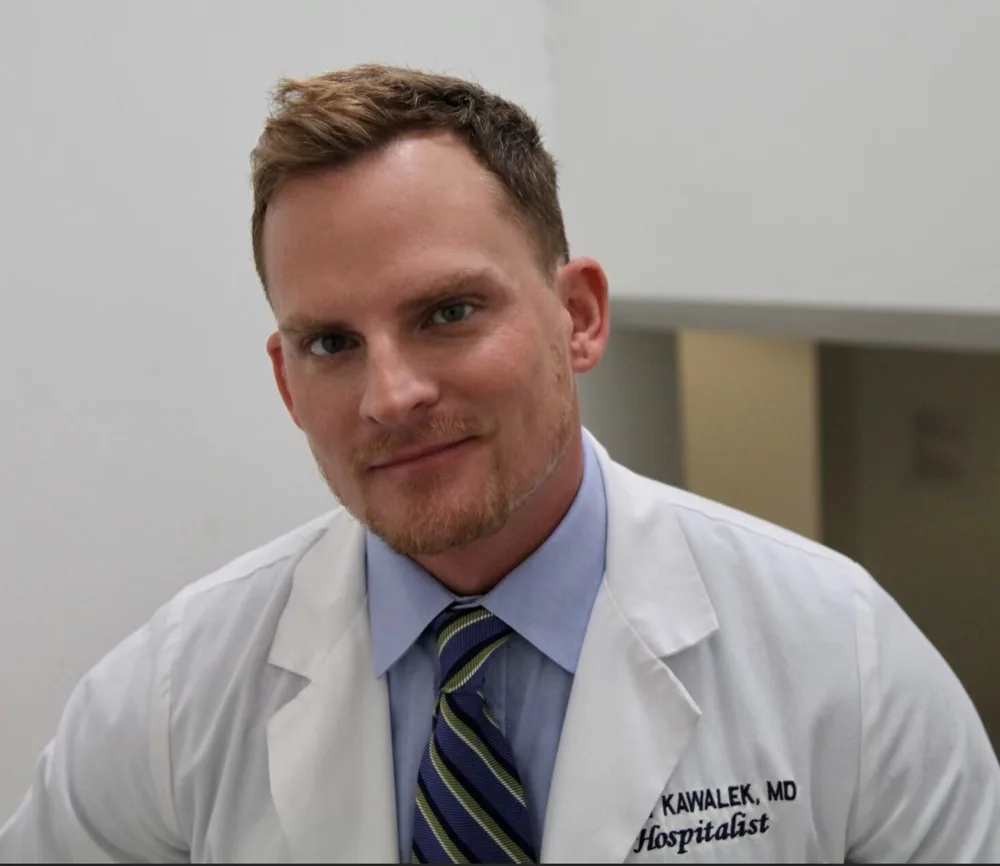
People ask me all the time what a "real" doctor's note is supposed to look like — sometimes because an employer pushed back on one, but more often because they need a note for work and want to be sure the one they're getting will actually be accepted. As a physician, here's exactly what belongs on a legitimate note, what's deliberately left off, how HR checks one — and how to get a real one without a clinic visit.
Need documentation today? SickSlip's physicians issue doctor's notes online. Here is what to know first.
What a real doctor's note for work contains
A real medical note doesn't need to be fancy, but it does need to be verifiable. At a minimum, a legitimate note includes:
- The name and credentials of the clinician who issued it (for example, a physician's name followed by MD or DO)
- The provider's NPI number — a unique National Provider Identifier that can be looked up in a public federal registry
- State license information for the issuing clinician
- The date the note was issued
- The specific dates you're being excused from work or school
- An actual signature — handwritten or a verified electronic signature
- A way to contact or verify the issuing office
- Often a clinic or service name and address
What a real note deliberately leaves OFF
Here's what surprises people: a good doctor's note usually does not list your diagnosis. It confirms that you were under a clinician's care and the dates you should be excused — and stops there. Your employer is entitled to confirmation that your absence is medically supported, not to your private medical details. A note that overshares symptoms or diagnoses isn't more legitimate — it's just less private.
How to get a real doctor's note for work (online, same day)
You don't need to sit in a clinic to get a real note for a routine illness. Since 2020, every US state has recognized telehealth — including asynchronous review, where a licensed physician evaluates your reported symptoms without a video call — as legally equivalent to in-person care for routine documentation. You complete a short intake from your phone on the real doctor's note page, a board-certified physician reviews your case, and when it's clinically appropriate, your signed note arrives by email the same day — with every element on the checklist above, including the NPI, license details, and a QR verification code. And it's a genuine review: if a case doesn't support documentation, it's declined and refunded. For the full background on how this works, see my guide to getting a doctor's note without seeing a doctor.
The "free doctor's note PDF" reality
A quick word about the free printable notes and PDF templates all over the internet, because I know they're tempting: a real note is usually delivered as a PDF, but there is no such thing as a free real one. A downloaded template has no clinician behind it — which makes it a forged medical document the moment you submit it. HR departments catch these constantly (see the red flags below), and the fallout is worse than the absence itself: forging documentation is a firing offense almost everywhere. A legitimate physician-reviewed note costs about the same as lunch. The math isn't close.
Need a note right now?
Physician-reviewed. Employer-accepted. $29.99 flat fee. No waiting room.
Get my doctor's note →How employers actually verify a note
Most employers don't care which clinic a note came from. They care that it's real, and they have a few ways to check. They can look up the NPI number in the public registry to confirm the provider exists and is who the note says they are. They can call the verification number on the note. And increasingly, notes carry a QR code that links to a verification page confirming the document is authentic. A SickSlip note includes the physician's NPI, state license, a verification line, and a QR code, so an HR team can confirm it in seconds. For the full picture of what HR can and can't check, see can my employer verify my doctor's note.
Red flags of a forged note
Forged and template notes are common, and HR departments have gotten good at spotting them. The giveaways:
- No identifiable clinician — just a generic "doctor" or a clinic name with no real provider behind it
- No NPI number, or an NPI that doesn't match the name when you look it up
- No way to verify it — no working phone number, no verification page
- Obvious template artifacts, misaligned logos, or spelling and formatting errors
- A note that lists a dramatic diagnosis it has no business disclosing
- A "note" generated in one click by a template tool, with no clinician review at all
Why a verifiable note protects you
The whole point of documentation is that someone can check it and it holds up. A note tied to a real, licensed physician with a public NPI and a verification path isn't just more likely to be accepted — it protects you if anyone ever questions it. A note that can't be verified does the opposite: the moment HR can't confirm it, it works against you.
The bottom line
A real doctor's note for work is simple but verifiable: a named, licensed clinician, an NPI, the dates you're excused, a signature, and a way to confirm it's authentic — with your private diagnosis kept out of it. If a note is missing those, no formatting tricks will make an employer trust it. If it has them, where you were physically seen stops mattering.
What does a real doctor's note for work look like?
How do I get a real doctor's note online?
Does a real doctor's note have to list my diagnosis?
How can an employer tell if a doctor's note is forged?
Are online doctor's notes real notes?
What is an NPI number on a doctor's note?
Need a note right now?
Physician-reviewed. Employer-accepted. $29.99 flat fee. No waiting room.
Get my doctor's note →Dr. Kawalek is a hospitalist physician with 15+ years of clinical experience. He founded SickSlip to give patients fast, affordable access to legitimate medical documentation without unnecessary clinical barriers.